AC TRANSFORMER CONSTRUCTION – CONCENTRIC, PANCAKE AND HELICAL WINDING ARRANGEMENTS
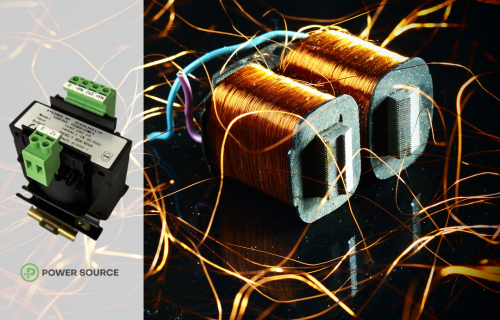
AC transformer winding arrangements are just as integral as the core geometry. The way these winding conductors are shaped and positioned around the magnetic core will affect electrical performance, insulation, cooling, physical integrity, and suitability for varying voltage and current levels.
In this article, we will try to cover the most common winding configurations, from concentric windings, pancake/disc windings and helical windings. Each configuration has distinct advantages for specific transformer installations.
Why are transformer windings' configurations important?
A transformer operates by transferring energy between windings through a changing magnetic field; therefore, the physical configuration directly affects the transformer's efficiency. Winding arrangements can have effects on the following key elements;
- Leakage reactance and magnetic coupling
- Voltage insulation between turns, layers and windings.
- Heat dissipation and cooling efficiency.
- Mechanical strength during short-circuit conditions.
- Suitability for high-voltage or high-current operations.
Specific configurations can perform incredibly well in one application, whilst failing completely in another, so it is important to understand which configurations are suited for what applications. An example of this could be a distribution transformer that needs compact, economical windings with good insulation performance, whereas a furnace transformer may require windings capable of carrying extremely high current.
Concentric Windings
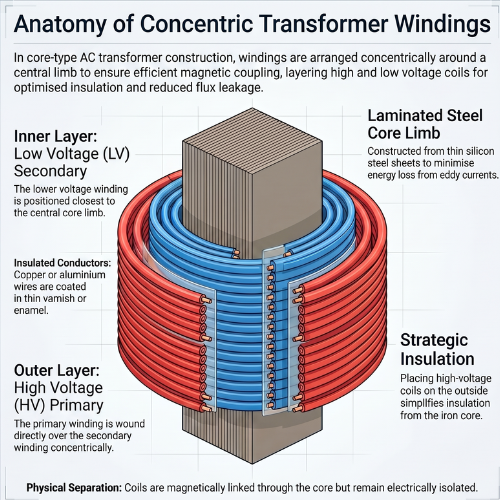
Concentric windings are more commonly found in core-type transformers. This configuration consists of windings placed around the same core limb, winding one inside of the other, sharing a common axis.
Typically, the low-voltage winding is placed nearest the core, and the high-voltage winding is wound around it. This configuration helps meet insulation requirements and keeps the winding structure simple, resulting in a practical and efficient design for standard power and distribution transformers.
Although this winding arrangement is straightforward, there are actually sub-variations of this winding type also. Concentric windings can also be applied in cylindrical layers, discs, and sections, depending on the voltage rating, current level, and thermal requirements.
Advantages of concentric winding arrangements can range from;
- Good magnetic coupling between windings
- Reduce leakage flux
- Straightforward to manufacture & assemble.
- Economical and suited for general-purpose installations.
Pancake / Disc Windings
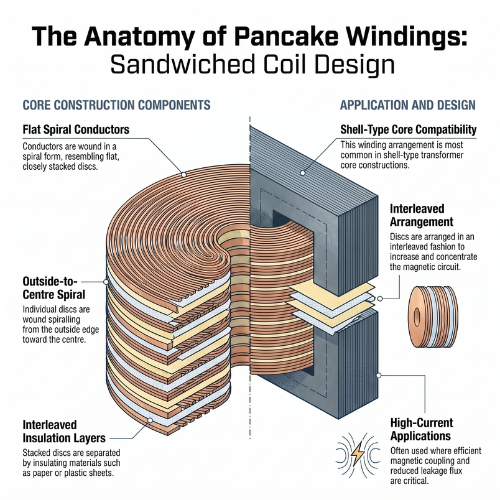
Pancake windings, also known as disc windings, are made from forming flat conductors into a spiral-shaped coil or stacked discs and are aptly named for how they appear: thin, flat discs (or pancakes) stacked one above another.
These types of windings are more commonly found in larger, higher-voltage units. Their design will typically feature a series of disc sections separated by insulation and cooling ducts. This is to better manage rising temperatures and improve transformers’ ability to withstand voltage stress in these high-range applications.
Cooling each winding section can be achieved using oil ducts and airflow. The ability to keep these sections cool or dissipate heat can be just as important as the electrical performance itself.
Helical windings
Helical windings, also known as screw windings, are more commonly found in low-voltage, high-current transformers. This can be for applications such as rectifier transformers, furnace transformers and industrial power systems.
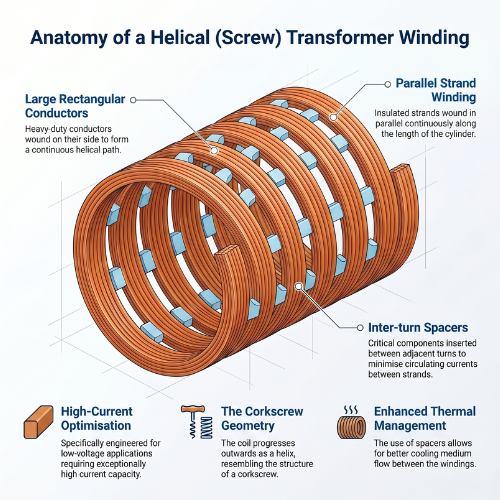
This type of arrangement consists of a conductor wound in a continuous helix around the core and can resemble a screw thread or a corkscrew.
The helical winding arrangement comprises a conductor in a rectangular cross-section with multiple parallel strands. Having several strands promotes more even current distribution, reducing losses from resistance and proximity effects.
Helical windings are designed with adequate spacing, support, and insulation to maintain structural integrity and better withstand mechanical stresses during fault conditions, such as short-circuit faults. These types of winding arrangements can also feature spacers between turns or sections to draw heat away from the windings, helping the windings stay stable under load.
Practical design considerations
In real transformer design, the choice of winding is influenced by several interacting factors. Voltage level is one of the most important, but it is not the only one. Current rating, fault withstand capability, insulation class, cooling method, and physical size all play a role.
For example, a compact transformer for general distribution may prioritise simplicity and cost, making concentric windings the natural choice. A large power transformer, on the other hand, may require disc windings to manage insulation stress and cooling. A transformer supplying very high current at low voltage will often use a helical arrangement for its current-carrying capacity and mechanical strength.
Manufacturing methods also matter. The winding style must be practical for building, testing, and maintaining. A design that performs well electrically but is difficult to manufacture consistently may not be suitable for commercial production.
Conclusion
In transformer design, windings have a major influence on performance, reliability and suitability for the intended application. Although voltage capability is a major factor when selecting the right winding arrangement, appreciation for current rating, fault-withstanding capability, insulation class, cooling methods, and physical size must also be considered.
Concentric windings are simple and effective and are widely used in standard transformer applications. Pancake (disc) windings are preferred for high-voltage insulation and cooling, which are mission-critical, whereas Helical windings are best suited for low-voltage, high-current applications where strength and current capacity are essential.
With appreciation for winding types, it becomes easier to understand why and how transformers are designed and built.
Power Source TX Series
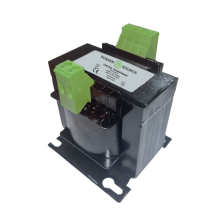
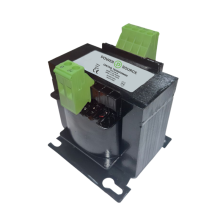
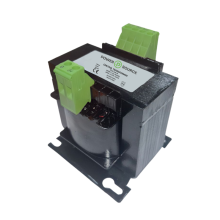
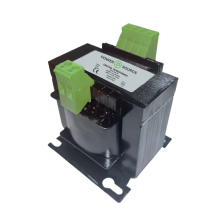
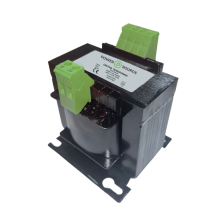
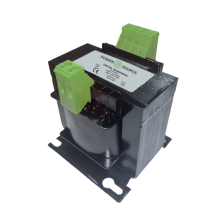
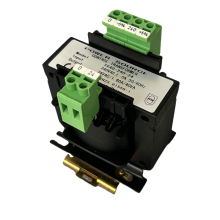
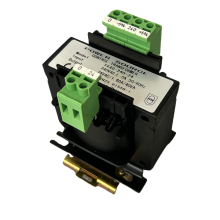
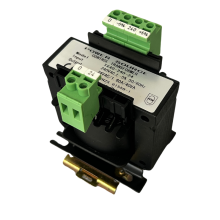
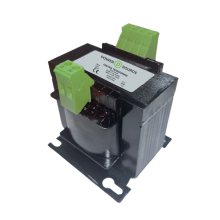
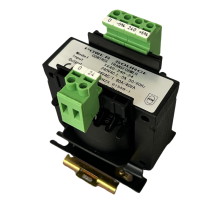
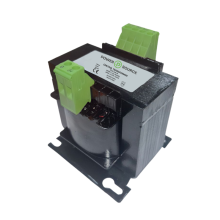
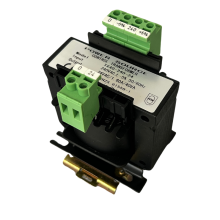
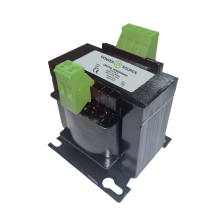
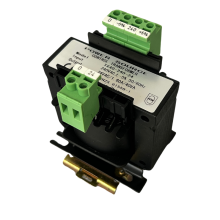
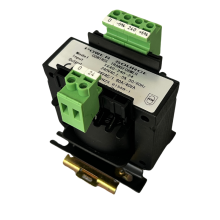
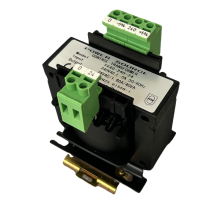
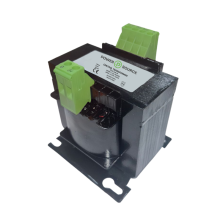
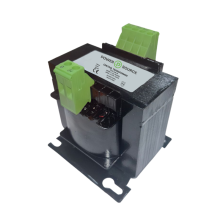
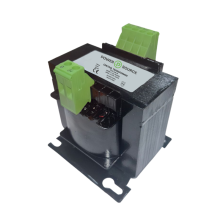
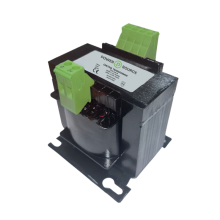
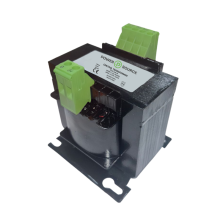
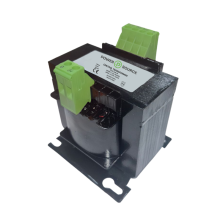
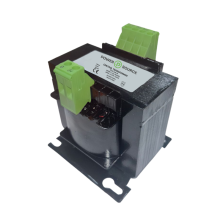
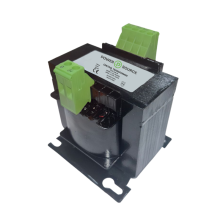
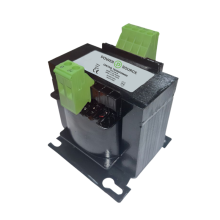
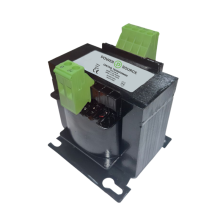
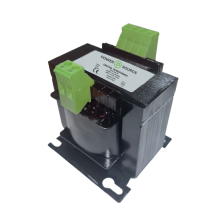
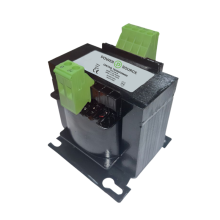
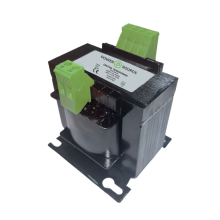
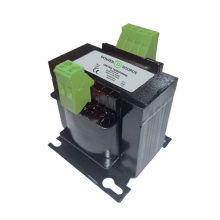
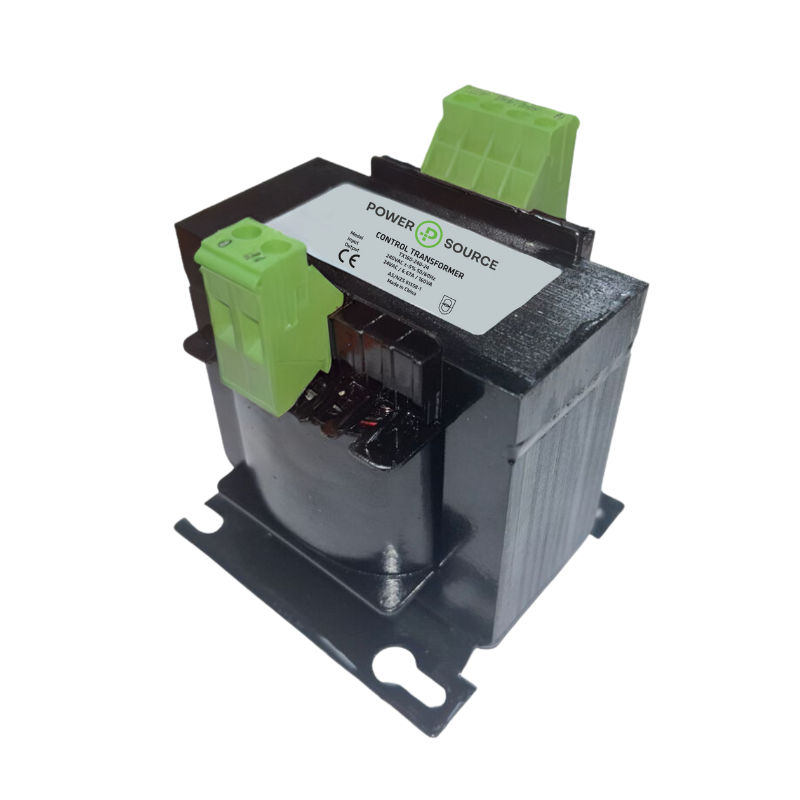
Our Power Source TX series AC transformers are concentrically wound transformers designed for control AC transformer applications. The TX series can be used in step-up and step-down powering applications. This range is designed with galvanic isolation, providing a safe 1:1 voltage transfer and a clean output from the mains source.
The TX range accommodates input voltages of 240VAC and 415VAC and converts 12VAC, 24VAC, 240VAC, and 415VAC, with power output ratings from 40VA to 2500VA.
If you have any questions, the ADM team is here to help! Send any questions via our contact page here or call the team directly on 1300 236 467.