AC Transformers FAQ – What Causes Transformer Windings to Short Circuit or Burn Out?
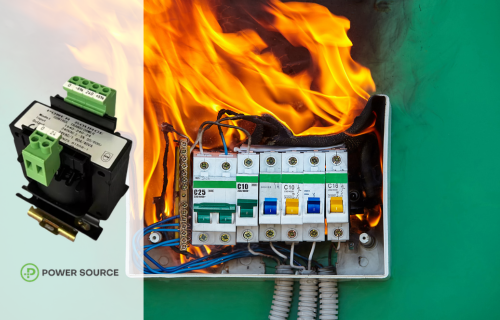
Inside AC transformers, the winding systems are a common site of severe internal failure. If a winding develops a fault, the outcome can often be catastrophic, requiring extensive repairs or, in the worst case, complete asset loss.
What’s the Problem? Insulation Failure.
Each turn of copper or aluminium winding is separated by insulation. Depending on the transformer's voltage class and intended application, the winding insulation may include paper, pressboard, enamel, varnish, resin, or oil-impregnated cellulose.
A winding can short-circuit when the insulating medium loses dielectric strength and can no longer withstand the applied electrical stress. Once insulation fails, current can bypass its intended path through one or more turns, creating an internal fault. This effectively overheats the transformer, causing rapid thermal deterioration and further damaging the surrounding insulation and conductor materials.
This failure in the insulation can lead to the following common failures:
-
Turn-to-Turn Faults
Often considered the first stage of winding failure, a small breach in the insulation allows the adjacent turns to short together, creating a circulating fault current within a section of the winding. This results in localised heating, carbonising the insulation, deforming the conductors, and spreading to neighbouring windings.
-
Phase-to-Phase or Phase-to-Earth Faults
As the insulation condition continues to deteriorate, the turn-to-turn fault may continue in a more severe internal discharge path. If observed in three-phase transformers, this can lead to arcing between windings, between phases, or between windings and the core structure.
-
Mechanical Deformation
External short-circuit events subject transformer windings to very high electrodynamic forces, squeezing and pulling the internal windings out of position and, in turn, stressing insulation. Over time, repeated exposure to fault conditions can lead to further mechanical breakdown and internal short-circuiting.
Winding failures are among the most damaging transformer faults, as they can rapidly combine thermal, mechanical, and electrical stresses, compounding wear and tear and potentially leading to catastrophic failure.
Experiencing SoMe Technical Difficulty? We're Here to Help!
If you have an AC transformer that may be experiencing some mild wear and tear or failures, speak with the ADM team today! The ADM team can help address any technical issues you may be having and assist in finding a suitable replacement. Call the team directly on 1300 236 467 or send any questions via our contact page.